

👋 Hey, Egemen here.
I told founders to plan 24 months of runway.
The data from Monday says I was measuring the wrong thing entirely, and here is the fix.
Here’s a snapshot of what’s on the menu today:
💡 Spotlight: Sponsor of the week
🧠 Deep-Dive: 6 month clock
🗺️ Method: Interval Audit
⚾️ Catch: Check this out!
☝️ Scaled This Past Week: Corma
💡 Spotlight

🧠 Deep-Dive: 6 month clock
Crunchbase published its half-year unicorn count on Monday. 195 companies crossed a billion dollars in valuation between January and June. All of 2025 produced 193. That headline is not the useful part.
This is: 19 of those 195 raised a follow-on round in six months or less and doubled an earlier valuation on the way past $2 billion. Three of them:

I have spent two years telling founders to plan 18 to 24 months of runway to a clean Series A milestone. I was wrong about the unit.
Funds this size price the rate of change between two readings, and they want both readings inside two quarters.
The liquidity coming back to LPs from the AI IPO wave lands with those same firms, so this gets more true from here, not less.
If you ask me, the obvious objection holds some water. These are AI, defense and energy companies with capital chasing them, and your B2B tool is not Etched. Fair.
The behavior still sets the reference price in the room, because the same funds price both.
So change what you plan around. Pick the one number your next investor will price you on. Then compress the time it takes you to move that number twice. Corma raised $60 million at seed on Monday, six weeks after it put its first model in front of a Fortune 100 buyer.
The round size came out of the interval.
🗺️ Method: Interval Audit
Like we were discussion above, do this and take twenty minutes, one sitting, before you open the deck.

I run this on every advisory call now. Most founders land on 11 months, because they picked a metric that needs a new hire to move.
⚾️ Catch
☝️ Scaled This Past Week: Corma
Corma came out of stealth on Monday with $60 million in seed funding led by Sequoia Capital, with Khosla Ventures and Coatue joining -it’s the scale of the week!
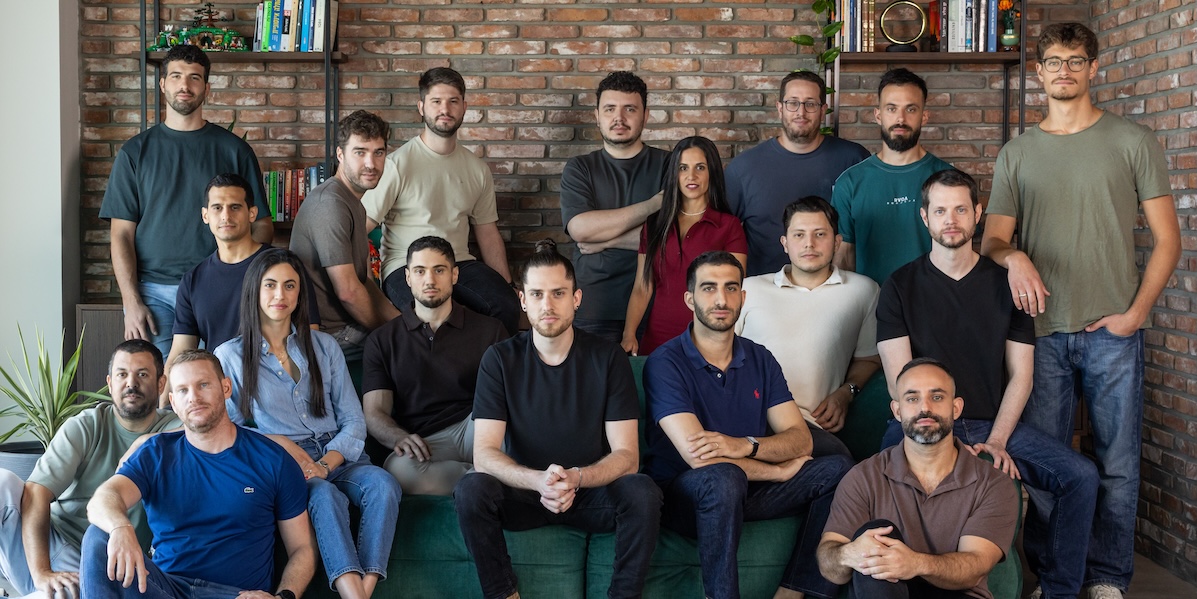
The company trains a foundation model for defensive cybersecurity. Frontier models learned to code, which happens to make them good at breaking in.