

👋 Hey, Egemen here.
Most founders I speak to still picture an exit as an incumbent turning up in year seven with a term sheet.
The likelier buyer raised its own Series B 18 months ago and needs your feature shipped by Q1.
Here’s a snapshot of what’s on the menu today:
💡 Spotlight: You already built it. Let it earn.
🧠 Deep-Dive: Your Buyer Is a Startup
🗺️ Method: 10 AI Marketing Strategies from Industry Leaders
⚾️ Catch: Find the Perfect Marketing Agency for Free
☝️ Scaled This Past Week: Owner
💡 Spotlight: You already built it. Let it earn.
Think about the workflow you rebuilt three times until it stopped breaking. The research loop you run every Monday morning. It sits on your laptop and pays you back in saved hours and nothing else.
Taku gives that setup somewhere to go. You package it as a Stax, set the inputs so a stranger can run it without asking you questions, and publish it to the marketplace. Taku pays you a revenue share every time somebody runs it

There is no repo to maintain, no keys to hand out, no support queue to answer. Taku reports 12,000 apps and skills on the marketplace from 3,400 creators, serving 1.2M runs a month. The top Stax right now is a brand voice rewriter at 8,742 runs this month. Those are the company's own figures.
Worth a look if you have ever thought your internal tooling was better than what you were paying for.

🧠 Deep-Dive: Your Buyer Is a Startup
Socure announced two things last Thursday. It raised $156M in growth funding led by Summit Partners at a $5.2B valuation, and it acquired Fravity, an agentic platform for fraud and compliance work. Raise and buy, one press release.
That pairing is the trend, not the exception. Crunchbase counted 427 global deals in the first half of 2025 where one startup bought another, up from 362 in the same stretch a year earlier. The most active buyers are names you would file under seller. OpenAI has acquired eight startups this year and at least 19 to date, most of them seed or early stage. Anthropic has taken at least five, including a $400M purchase of Coefficient Bio. MoonPay bought five between April and July.

Read that as a founder instead of as a headline. A well funded startup racing for an edge finds it quicker to buy a capability than to build one, and quicker to buy a team than to hire the same five people separately. That logic walks them straight into seed and Series A, because those companies have working technology at a price that still fits inside a round.
This changes what you build. A company that does one thing properly, with a team that ships together, gets absorbed cleanly. A broad platform carrying three half-finished products does not. The narrow version is also what gets you to Series A under your own power, so you are not choosing between the two outcomes.
The move this week is small and concrete. Name the five startups one stage ahead of you whose roadmap has a hole your product fills. Open a partnership conversation with each. That thread is your distribution now, your Series A proof later, and the phone call if somebody decides buying beats building.
👉 Your most likely acquirer raised its Series B last year and needs your feature by Q1. Name five of them this week and start the partner conversation while you still have leverage.
🗺️ Method
The Future of AI in Marketing. Your Shortcut to Smarter, Faster Marketing.

This guide distills 10 AI strategies from industry leaders that are transforming marketing.
Learn how HubSpot's engineering team achieved 15-20% productivity gains with AI
Learn how AI-driven emails achieved 94% higher conversion rates
Discover 7 ways to enhance your marketing strategy with AI.
⚾️ Catch
Find the perfect marketing agency, for free.

Stop writing RFPs. Tell us your budget and needs, and our experts send back 3 or 4 agencies worth pitching. The no cost way to source the best agency, without lifting a fingers
☝️ Scaled This Past Week: Owner
Owner raised $240M led by Goldman Sachs Growth Equity, at a $2.3B valuation.
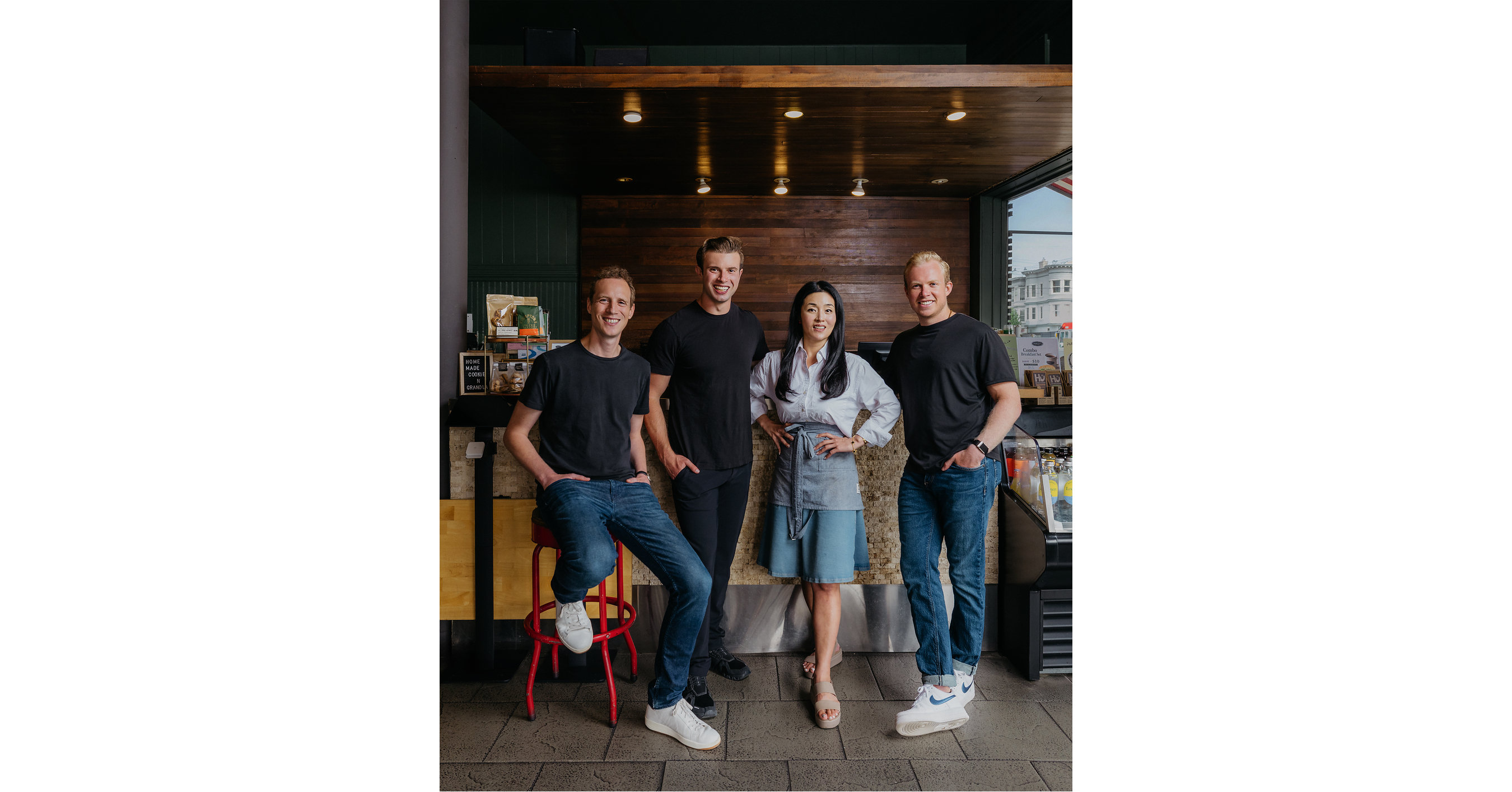
Owner sells AI tools to local businesses. Restaurants, mostly. The product builds their website, runs online and phone ordering, ships their mobile app, and handles customer support. Every one of those jobs used to mean a separate vendor and a separate invoice for a place doing $900k a year in revenue.